


For a Healthier, More Confident Smile
A straight, healthy smile can do wonders for your confidence, but sometimes, a little help is needed to get there. At McIntosh Dental, our experienced orthodontists in Auckland provide customised solutions to align teeth and improve dental health. If you’re choosing from traditional braces, clear aligners, or preventative orthodontics, we’ll assess your needs and offer a treatment plan tailored specifically for you.
With over 30 years of experience, our team is dedicated to helping patients of all ages achieve straighter teeth and better oral health. If you’re searching for the best orthodontist in Auckland, we’re here to guide you through every step of the process.
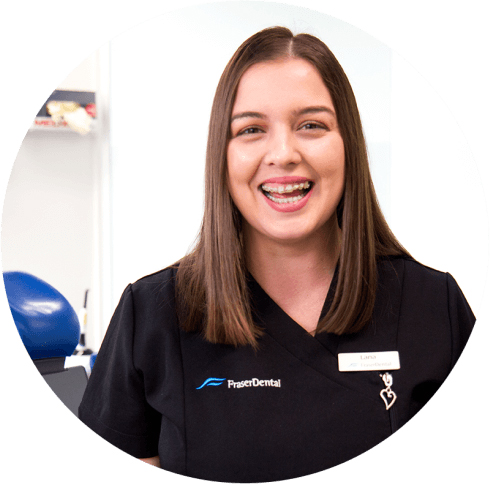
Correcting Dental Alignment Issues With Expert Care
If you or a family member has any of the following concerns, orthodontic treatment may be the solution:
- Overbite, underbite or crossbite
- Crowded or overlapping teeth
- Gaps or uneven spacing between teeth
- Jaw misalignment or shifting when biting
- Early or late loss of baby teeth affecting adult tooth placement
- Difficulty biting or chewing comfortably
Straightening your teeth isn’t just about aesthetics. It can improve speech, chewing function and overall dental health. At McIntosh Dental, we assess your unique needs and recommend the best orthodontic approach for long-term results.
Customised Orthodontic Treatments
We understand that every smile is unique, which is why we offer a variety of orthodontic solutions:
Traditional Braces
Durable and effective, metal braces remain a popular choice for straightening teeth. Our modern braces are smaller and more comfortable than ever, with options for discreet or coloured brackets.
Clear Braces
For those who want a less noticeable option, clear braces use tooth-coloured brackets to blend in with your smile while delivering excellent results.
Invisalign Clear Aligners
Invisalign offers a nearly invisible way to straighten teeth without metal brackets or wires. These removable aligners provide convenience and comfort, making them a favourite for teens and adults alike.
Why Choose McIntosh Dental for Orthodontics?
- Decades of Experience: Over 30 years of expertise in orthodontic treatments
- Extensive Care: From diagnosis to treatment, we create solutions to suit your unique needs
- Advanced Technology: Using the latest techniques for efficient, effective results
- Family-Friendly Practice: Orthodontic care for children, teens and adults
- Supportive and Comfortable Environment: We prioritise patient comfort at every stage
We take pride in transforming smiles and ensuring a smooth orthodontic journey. When you choose McIntosh Dental, you’re in expert hands.
Flexible Payment Plans for Braces and Invisalign
We believe everyone deserves a confident smile, which is why we offer flexible payment options. Our OrthoPlan allows you to spread the cost of braces or Invisalign over time, making orthodontic care more accessible. Talk to our team about a payment plan that suits your budget.
Our orthodontic services are led by Dr Milan Raniga, who has treated over 2,500 patients here and overseas. You’re in experienced hands.
Book your orthodontic consultation today
Ready to take the next step toward a straighter smile? Contact McIntosh Dental today to schedule a consultation with our experienced orthodontists in Auckland. We’ll help you explore your options and create a personalised treatment plan that fits your needs.
Call our team on (09) 837 2598, book online or request an appointment and our team will help create the bright, aligned smile you’ve been dreaming of.